


Humans of NATO Days
The NATO Days in Ostrava & Czech Air Force Days are the biggest security show in Europe. But it would not be possible to organize such a huge event without a lot of people who dedicate long weeks and months of preparation to it and also without those who then get involved during the final preparations and the weekend..
#HumansofNATODays brings a series of interviews with representatives of various components and participants of the event, giving a glimpse into the functioning of the Czech army, components of the Integrated Rescue System or foreign armed and security forces.
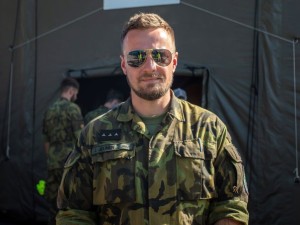
What happens when a passion for aircraft and aviation takes over? For 1LT Jakub Jelínek, it means becoming a combat air traffic controller. He recently returned from France, where he completed NATO Intermediate training. You may have also met him in Mošnov – at the Czech Air Force stand or at the presentation of the 26th Air Command, Control and Surveillance Regiment, which he is responsible for. But what exactly does a combat controller do? How are aircraft directed when you do not have a view of them? And what can you find at the Czech Air Force stand at NATO Days in Ostrava & Czech Air Force Days?
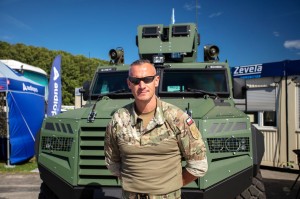
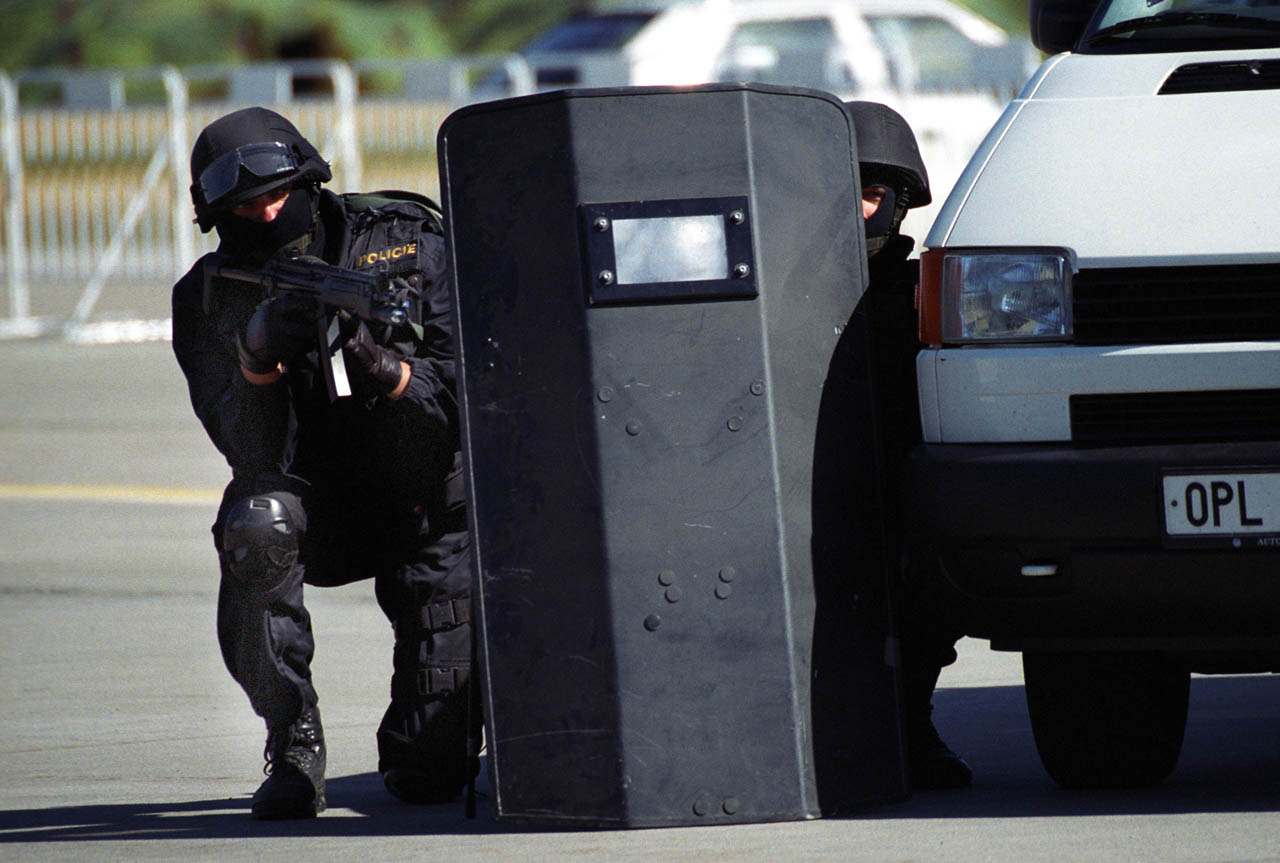
Lieutenant Colonel Mariusz Łapeta has served in the Polish Special Forces for more than 20 years. He began his career with the Military Police in Gliwice and later served with the elite AGAT unit, where he was also involved in training young soldiers. He completed civilian studies at the University of Physical Education and gradually worked his way up into the command structure of the Special Forces. In the interview, he describes the reality of serving in elite units, the demanding selection process, and his deployments in the Middle East. He also highlights the importance of international cooperation within NATO and the role of Special Forces in today’s security environment, including the fight against disinformation. He shares a personal perspective on service, which he believes is built primarily on people and mental resilience.
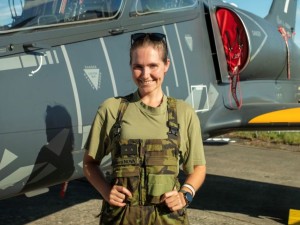
During secondary school, Barbora Nová’s interest in the military and aviation led her all the way to overseeing the maintenance of L-410 and Airbus A319 aircraft in the rank of Second Lieutenant. In the interview, she describes a typical day on base as well as during events such as NATO Days in Ostrava & Czech Air Force Days, what she enjoys most about being a technician, and what it is like to be a woman in the male-dominated environment of military aviation. She also shares inspiration for young people considering a career in the armed forces.
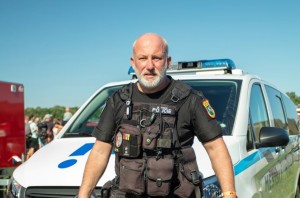
Karel Mellar has been serving with the Municipal Police in Ostrava for nearly 25 years and has been involved in canine work since childhood. He specialises in protection training and decoy work, and over the course of his career he has handled and trained a number of service dogs. He is currently on duty with a German Shepherd named Eliot Ma-La-No Opava. In the interview, he describes what the work of a municipal police dog handler looks like, what training involves, as well as the day-to-day life with a service dog and how a strong bond develops between a handler and his four-legged partner. He also shares his experience from public displays, including the NATO Days in Ostrava & Czech Air Force Days, and highlights how to behave properly around service dogs.
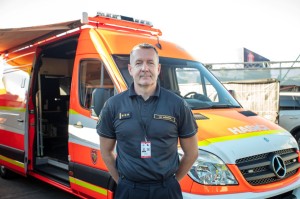
Col. Jiří Němčík has been serving with the Fire Rescue Service for more than 28 years. Starting his career as a frontline firefighter, he gradually worked his way up to become Deputy Director of the Fire Rescue Service of the Moravian-Silesian Region for the Integrated Rescue System and operational management, as well as Director of the Ostrava district department. In this interview, he reflects on his early days in the fire service, talks about the challenges of emergency response and shares his experiences from international rescue missions abroad. He also explains the role firefighters play in ensuring safety during NATO Days in Ostrava & Czech Air Force Days.
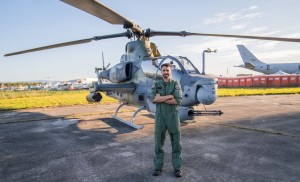
What does the job of a military pilot involve? How do the Venom and Viper helicopters differ, and in what ways are they similar? And what fascinates a pilot who began his career on the Mi-24? Major Miroslav Hovorka — a pilot and AH-1Z Viper instructor, currently, as he himself put it, “seconded” to the Czech Air Force Command — shared this and much more with us.
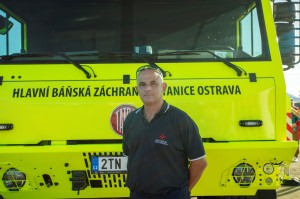
Mine rescue workers from the state enterprise DIAMO are among those you simply cannot miss at NATO Days. While visitors admire the specialised equipment on display, behind each exhibit stand people with decades of experience in extreme rescue operations. In this interview with long-serving mine rescuer and Deputy Head of Emergency Response Jan Šulej, you will learn what it takes to work deep underground, why the decline of mining does not mean the end of mine rescue, and what role DIAMO plays in ensuring safety and shaping the future of post-mining areas.
From gliders to the Gripen. Capt Jan Ratz, also known as “Gust”, is the sixth Czech display pilot of the JAS-39 Gripen. In the interview he tells us how his childhood dream of becoming a pilot turned into reality, how he got his callsign, what he experienced during his very first solo flight, and he also has a message for those who dream of a career as a military pilot.
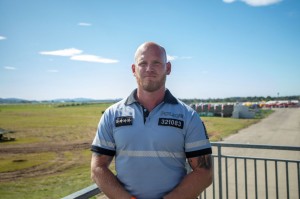
Airports are the only truly guarded borders, illegal migration is a pan-European issue, and the service’s prestige grows every year. Today, the Foreign Police play a key role in the security of the Czech Republic and the Schengen Area. Captain Josef Urban has served with the Police of the Czech Republic since 2008 and currently holds the position of spokesperson for the Directorate of the Foreign Police Service. In this interview, he explains why this is no longer a marginal area of work, what the duties of Foreign Police officers involve, and what service on the front line of modern security looks like.
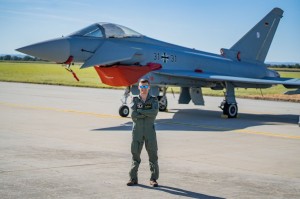
LtCol. Michael “BamBam” Schaudienst from Tactical Air Force Wing 31 “Boelcke” of the German Air Force took to the skies at the NATO Days in Ostrava & Czech Air Force Days for a truly special display. With his final public show scheduled just a week later at the Malta Airshow, this was a rare chance to see him fly one of his last performances. In this Humans of NATO Days interview, he opens up about the fear and thrill of his first solo flight, the passion that kept him going through years of training, and the moments that still make him fall in love with flying every single time.
As a schoolboy, he already wanted to wear the uniform of the Customs Administration of the Czech Republic. Today, he leads the Organisational Staff at the General Directorate of Customs, preparing one of the most prominent presentations of security forces at NATO Days in Ostrava and the Czech Air Force Days. In the interview, Captain Tomáš Stareček talks about the evolution of a customs officer’s work, the behind-the-scenes preparations for this exceptional event, the fight against organised crime, and why serving the state remains a matter close to his heart.
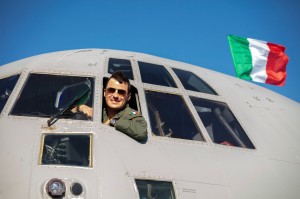
Captain Jacopo Fainozzi Perini, callsign Conte, offers a glimpse into the world of military aviation that visitors rarely get to see. In this interview, he talks about his journey from a small flying club in Bergamo to the cockpit of the C-130, his training in the United States, and missions ranging from para-operations to the evacuation of Kabul and supplying Antarctica. He also reveals the less visible side of his job – the role of a commander who must keep his crew grounded and focused during long deployments. The result is an honest and compelling look into the life of a pilot for whom flying is both a duty and a joy.
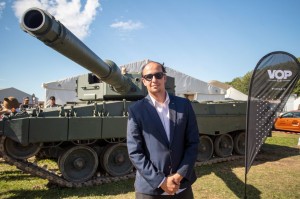
After several years, the Military Repair Plant (VOP) returned to NATO Days in grand style – with a Leopard 2A4 tank, its own robotic vehicle, and a new role as integrator of the CV90 infantry fighting vehicles. In an interview with VOP spokesperson Rostislav Rožnovský, who has dreamed of tanks since childhood, he talks about his enthusiasm for military technology and pride in work that keeps the army running. What exactly does VOP do, how does it want to bring the defence industry closer to the public, and why did he choose PR in this particular field?
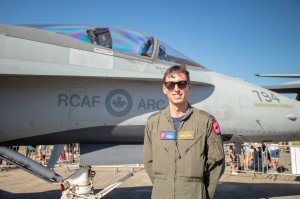
When you hear the name “Picard,” most people think of a legendary sci-fi captain. But this one commands a real fighter jet. Captain Jean-Luc “Picard” Volodarsky, a Canadian CF-18 Hornet pilot, has recently completed a deployment, under Canada’s Operation REASSURANCE, in the United-Kingdom participating in Exercise COBRA WARRIOR 25-2 and in Estonia for TARASSIS. He now leads two-ship combat formations while training to command four-ship sections. In this candid interview, he reveals what it’s like to live a childhood dream that turned into a reality balanced on the edge of G-forces, adrenaline, and meticulous preparation.
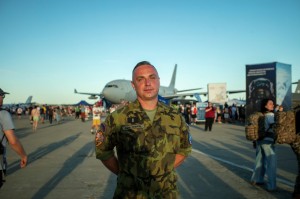
The Castle Guard’s Ceremonial Unit is one of the most recognisable symbols of Czech military tradition and representation. At this year’s NATO Days in Ostrava, it impressed audiences with a precise performance combining military discipline, coordination, and professionalism. We spoke with Sergeant First Class Karel Pospíšil, a member of the 2nd Battalion of the Castle Guard, about the demanding preparation, everyday service, and the atmosphere of this year’s event.
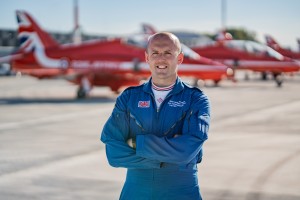
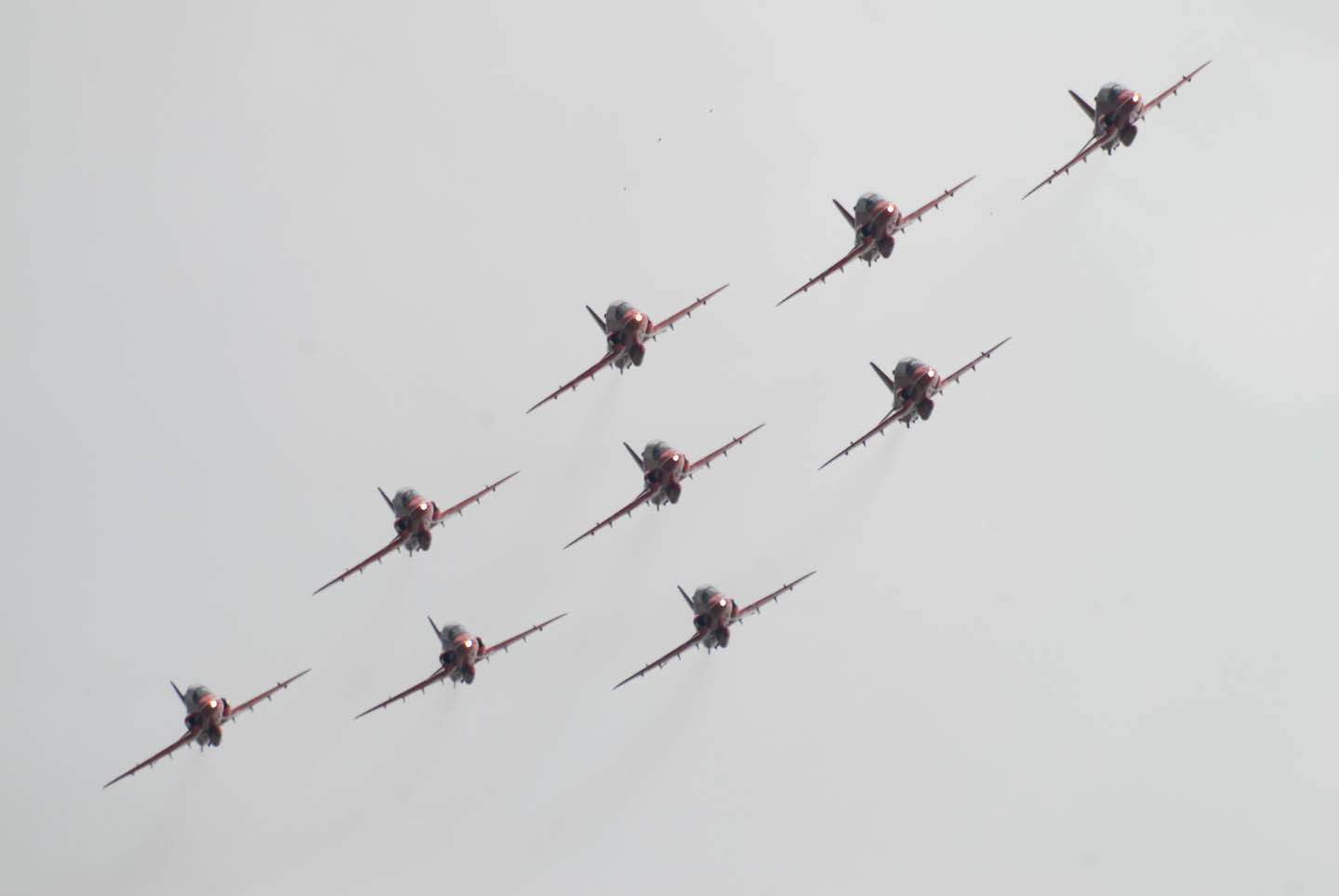
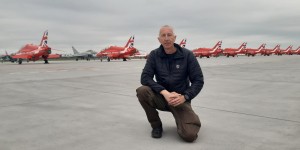
After 13 years, the Red Arrows returned to NATO Days, dazzling the crowd with their precision aerobatics. Cpl Matthew Harris, as Circus 5 and a member of the Red Arrows team, reveals what it’s like behind the scenes, maintaining the aircraft and traveling across Europe with the iconic team.
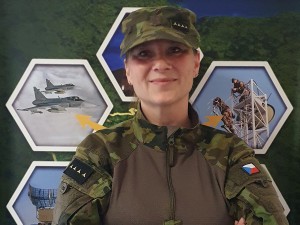
On the other side of the airport, away from the public displays, parked planes and helicopters. Waiting for their time to show off to visitors. They are carefully managed by a team led by Capt. Leona Hájková from the 26th Command, Control and Reconnaissance Regiment. As the coordinator of safety measures on the dynamic apron, she oversees strict compliance with the rules and precautions so that nothing happens to people or aircraft. Sounds simple, but what's behind this position? Has she found her favourite among the aircraft? And how does she remember writing the first monograph on the Air Force?
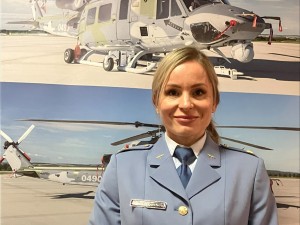
She is one of those people who is not in plain sight at the event - but you can see and read the result of her and her team's work. It's not just about writing something - it takes a lot of planning and coordination. And that she'll be in the Air Force at some point? No, that wasn't the original plan, but as she says, she's doing everything she once wished for. In the next installment of #HumansofNATODays, we spoke with Maj. Zuzana Sekaninová, Press and Information Officer at the Air Force Headquarters.
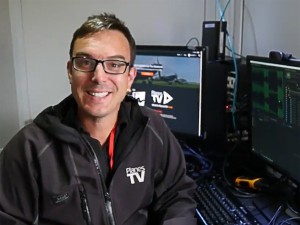
There are people who have been to more NATO Days editions than most of the participants or even most members of the organizing team. Those people have become an inseparable part of the event. They are first to come in the morning and among the last to leave in the evening. You can see them on the rooftop of the staff building, you can meet them in the crowd. But you never see them on video - because they are the ones operating the cameras and capturing the atmosphere. In this part of the Humans of NATO Days series, we talked to Iain Campbell of the PlanesTV company. He and his colleagues provide the video footage for the live stream of the event or for the clips they produce.
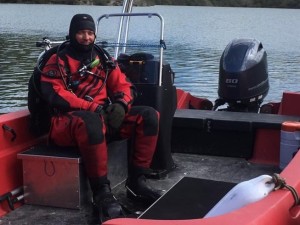
He dives to depths of 100 metres, but he's also drawn to the air. He's been on missions in Bosnia and Herzegovina and Hungary. You could meet him in the tent of the Police of the Czech Republic at the static display of the work of divers. What's it like to be surrounded by water on all sides? What do police divers most often look for? And what is the most fascinating thing about this job? This time we spoke with Martin Kučera, a police diver from the Department of Special Diving Activities and Training.
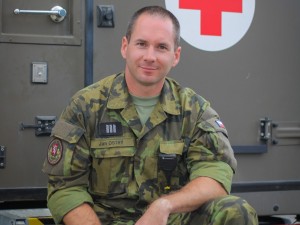
You probably won't see him at any of the displays at the venue, but you can still meet him. Although it might be better if you don't. Warrant Officer Jan Ostrý is in charge of paramedic services at NATO Days in Ostrava & Czech Air Force Days. What does it all entail? How long does it take to prepare? And what would he like to say to the visitors of the event?
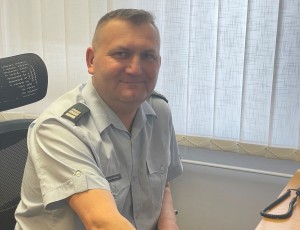
When he attended the NATO Days in Ostrava for the first time, it was also the first year of the Czech Air Force Days. He did not want to be a soldier originally, but then he liked serving in the air force, and he has been in it for 16 years. Moreover, as he says, he has his own ‘air force’ as well. This time we interviewed Warrant Officer Richard Černošek from the Combat Training Department of the Air Force Headquarters.
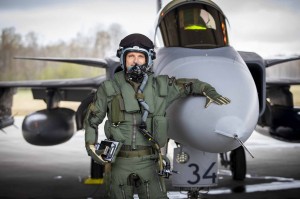
He participated in NATO Days as a Gripen display pilot from 2009 to 2012. Then he returned in 2019 as Flight Director. And he repeated that role in 2020, 2021 and 2023. Had the event not been cancelled, he would have added 2024. He retired at the end of last year, but he left a huge legacy at NATO Days. He started out in a Mig-21, but in a Gripen he reached two milestones of thousands of flying hours. This time we interviewed Lieutenant Colonel Michal Daňek, who is also known by his colleagues under the callsign MACRO.
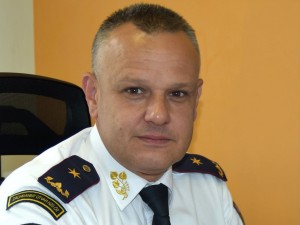
He attended the event for the first time years ago, as a professional soldier. He was there when the 157th Rescue Batallion of the Czech Armed Forces transformed from an army unit to a firefighting unit. He started as a deputy commander, now he commands the Emergency Unit of the Fire and Rescue Service of the Czech Republic himself. As he said, he and other members of the department do not do it for money - but for people and they get paid. And the equipment they use to save lives and eliminate the consequences of natural disasters is presented every year at the NATO Days in Ostrava & Czech Air Force Days. David Kareš, Commander of the Emergency Unit of the Fire and Rescue Service of the Czech Republic.
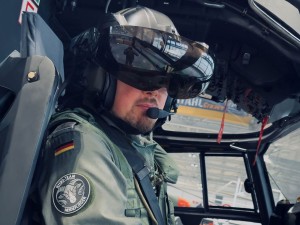
The dynamic display by the NH90 Display Team of the German Bundeswehr has literally lit up the sky above the Mosnov airport twice already. One of the pilots of this machine is Captain Heinz Nilsmann, who was part of the NH90 helicopter crew last year and it was supposed to be the same this year. Although the plan fell through, he still told us a number of interesting things - like how and where the friendship between the NH90 Display Team and the Bavarian Tigers with Typhoons started, how both teams got involved when they heard about the floods, or the journey of a German soldier up to the cockpit of the NH90.
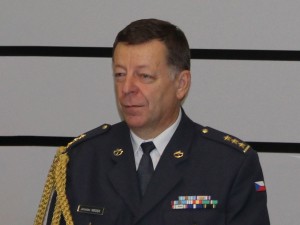
The Ostrava Regional Military Command is one of the units that have been participating in NATO Days in Ostrava since the first years. Nowadays, many people have these territorial army units associated mainly with active reserve units. We talked to Col. Jaroslav Medek, Director of Ostrava Regional Military Command.
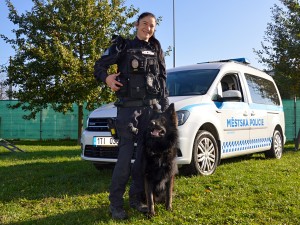
Ostrava Municipal Police officers and their canine partners are an integral part of the NATO Days in Ostrava & Czech Air Force Days. You could see Erika Szabová with her four-legged colleague GERIM among them. Erika has been serving with the Municipal Police since 1st September 2015. What is the most challenging part of being a police dog handler? Does the bite hurt despite the padded suit? And how do service dogs get along with their colleagues from mounted police? She revealed more than that in our interview.
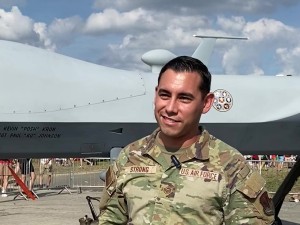
The US MQ-9 Reaper unmanned aerial vehicle made its third appearance at the NATO Days in Ostrava & Czech Air Force Days last year. But behind the unmanned vehicles, which are increasingly finding their place and role in modern militaries, are the human operators and people who ensure the functioning and maintenance of these modern machines. In addition to the Reaper, visitors at the Mošnov airport had the opportunity to see Staff Sergeant Strong from the 147th Attack Wing of the Texas Air National Guard. We asked him what he thinks about the current edition of the NATO Days, what bravery means to him, and who inspires him.
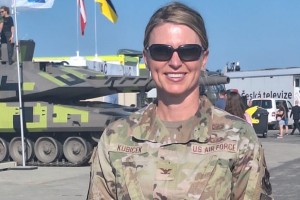
Colonel Jolana Kubicek works at a Ramstein Air Force Base in international affairs as a reserve attache. She arrived at NATO Days in Ostrava & Czech Air Force Days with a USAFE band, which provided musical accompaniment for the ceremonies and enhanced the atmosphere during the event. We asked her about her opinion on NATO Days, what inspires her, or what limits she needs to overcome in her work.
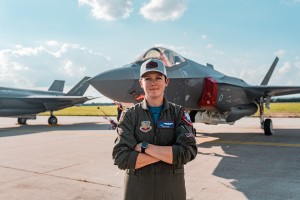
Major Kristin „Beo“ Wolfe completed her final flight as the first female commander of the F-35A Lightning II Demonstration Team on October 29, 2023, at Orlando Sanford International Airport in Florida, after four years and more than 20 airshows annually all over the world. One of these airshows was the 23rd NATO Days in Ostrava & 14th Czech Air Force Days, where you could see her about a month and a half before her last flight. She was the only female pilot who flew over the Mošnov airport. In addition, she gave visitors the first ever dynamic display of the fifth-generation F-35 Lightning II multi-role aircraft at the event. She showed the aircraft which will also be part of the Czech Air Force. Major Kristin "Beo" Wolfe from the USAF F-35A Lightning II Demonstration Team told us how she enjoyed NATO Days, what the difference between the F-35 and F-22 is, or what funny things can happen in the cockpit during an air display.
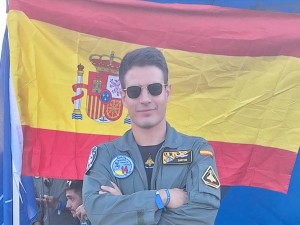
He was part of the Spanish Eurofighter Typhoon demo team at the NATO Days in Ostrava & the Czech Air Force Days. The result of the whole team's activities was an unforgettable experience and the thundering of the Eurofighter Typhoon multirole fighter above the Mošnov Airport. We asked First Lieutenant Alejandro Fernandez Santos from the 14th Wing based in Albacete of the Spanish Air Force about his opinion on the Eurofighter Typhoon, what his working day is like and how he enjoyed NATO Days.
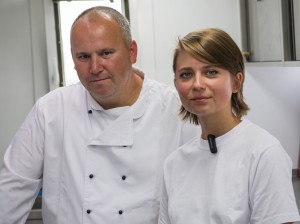
Private First Class Natálie Plachá and Corporal Michal Blecha from the 216th Squadron of the 21st Tactical Air Force Base in Čáslav may not be the most prominent and well-known personalities of NATO Days, but their work is a very important part of the event. Both of them are junior chefs at the Čáslav AFB and at the last year's event they cooked for a huge number of people. We asked what their working day looks like or what they still have to master as military cooks. You can read the answers to these and other questions below.
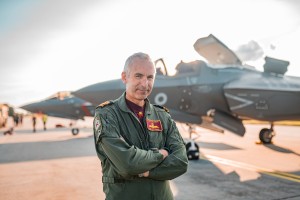
The display of the F-35B Lightning aircraft of the Royal Air Force at the NATO Days in Ostrava & the Czech Air Force Days was the first ever of the variant on the European continent. In the cockpit of the plane sat Tim Flatman, Commander of 207 Squadron based in RAF Marham. The Squadron is the Operational Conversion Unit for UK Lightning which contains a joint workforce of Royal Air Force and Royal Navy.
Commander Tim Flatman has been in the Navy for 26 years, originally wanting to fly helicopters. But how did he get into the armed forces and what does he enjoy most about flying? And what is it like to land an airplane on an aircraft carrier?
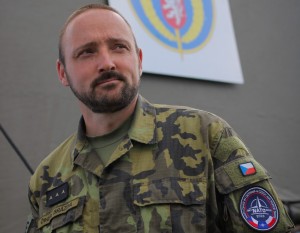
First Lieutenant Ondřej Brázda serves at the 143rd Supply Battalion in Lipník nad Bečvou. Although his unit does not perform a display at the NATO Days, the result of their work can still be seen all around - it is thanks to the army logisticians that the area of the event will grow into the form in which visitors can see it. But how long does it take and how many people are needed for it? If you want to know more about the behind-the-scenes preparations for the biggest security show in Europe, don't miss this interview.
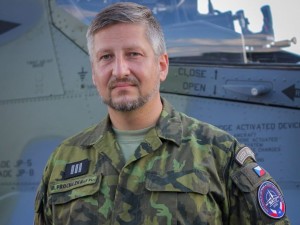
For seven years he has been involved in the organization of the NATO Days in Ostrava & Czech Air Force Days. He is the main coordinator of the activities of the Army of the Czech Republic at the event, and it would be very difficult for the entire event to take place without his contribution. How did he like last year's NATO Days, what exactly does he do at the event and how long does it take to prepare the event? Warrant Officer Milan Procházka from the planning department of the Air Force Command will answer all of these questions.
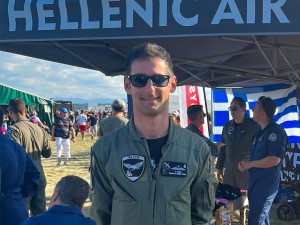
For Captain Vasileios Ntintis it was his first time in the Czech Republic and at the NATO Days. He was assigned as a T-6A Texan II Instructor Pilot in 2013 and has a flight experience of more than 2,150 hours. How is the training of Greek pilots conducted? How did he like NATO Days in Ostrava & Czech Air Force Days? And what does his ordinary work day look like?
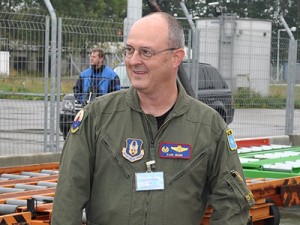
He was part of the B-52 crew when it landed for the first time ever in the Czech Republic to be part of the NATO Days in Ostrava & Czech Air Force Days in 2010. And then again, and again, and again. Now he helps to coordinate the US and Canadian efforts at NATO Days and makes sure the crews from those countries have all they need while staying in Ostrava for the event. What does bravery mean to him and who inspires him? Meet David Webb, the North American representative for Jagello 2000.
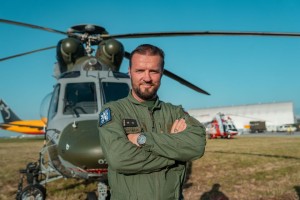
Lieutenant Colonel Petr Šafařík is the commander of the helicopter squadron of the 24th Air Transportation Base at Prague - Kbely and at the same time the leader of the display team of the W-3A Sokol helicopter. He has over 3,600 flight hours, of which more than 3,200 have been on the Sokol. At the NATO Days in Ostrava & Czech Air Force Days, the W-3A Sokol helicopter is shown in full envelope of turns and aerobatics in combination with rescue of people. What does Petr's normal working day look like, and when does he have to push his limits to save a human life?
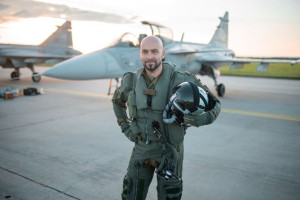
He is the fifth Czech display pilot of the JAS-39 Gripen aircraft. In 2019, he took part in the Baltic Air Policing mission in Estonia and his total flight time is more than 2,000 flight hours, of which he has already flown more than 900 hours on the JAS-39 Gripen. What does his working day look like and what does NATO and courage mean to him? Not only these questions were answered by Captain Ondřej Španko, display pilot of the JAS-39 Gripen aircraft and member of the 211th Tactical Squadron.
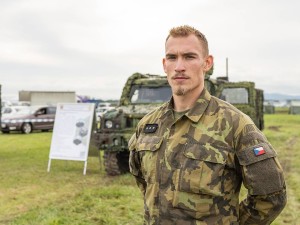
The Liberec 31st Regiment of Radiological, Chemical and Biological Protection is the only specialized unit of the Army of the Czech Republic that performs chemical security tasks as well as the most complex tasks of protection against weapons of mass destruction or radioactive and toxic substances. It belongs to the best regiments in the entire North Atlantic Alliance. How did they earn such a position? And what do their actions look like during accidents? Sergeant Milan Kolomazník, a senior scout specialist from Major General Oskar Starkoč's 31st Regiment of Radiological, Chemical and Biological Protection, told us about this at the NATO Days in Ostrava & Czech Air Force Days.
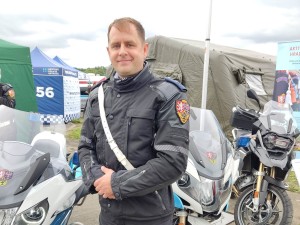
The Castle Guard is one of the three branches of the Armed Forces of the Czech Republic. The display performed by its bikers is well known to regular visitors of the NATO Days in Ostrava & Czech Air Force Days, and those who do not know it should not miss it. But what tasks do the Castle Guard perform? Besides the President of the Republic, who do they accompany? And how do you recognize a pushy visitor to Prague Castle who wants to provoke a member of staff in the guardhouse? Last year, we interviewed company sergeant major Tomáš Petrik, a member of the motorcycle unit of the Castle Guard, who told us all about it.
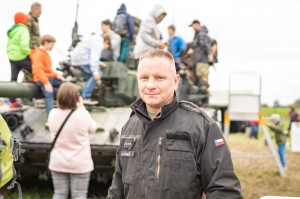
No modern army can do without tanks, so they are also an integral part of the NATO Days in Ostrava & Czech Air Force Days, where you can see them in both dynamic and static displays. But what is it like to be a tank crew member? What does it all entail? And how much room is there in the tank? Staff Sergeant Martin Strašil, a tank commander from the 73rd Tank Battalion in Přáslavice, answered not only those questions.
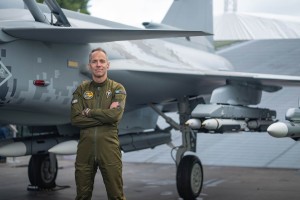
If you watched the English stream on Sunday, you could hear him commenting on the Gripen E display. It was his good friend flying. He personally spent 23 years as a member of the Swedish Air Force and is currently a Gripen test pilot. But what was his journey to get there? And how do a test pilot's and a military pilot's jobs differ from one another? Is it dangerous? Jussi Halmetoja, Operations Advisor, Air Domain and test pilot of Gripen E from Saab company answered all of those questions and more.
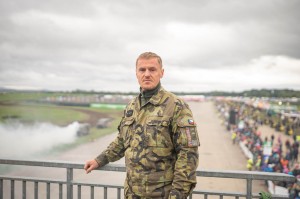
Military logistics is something that cannot be seen at first glance, but neither army exercises nor events such as NATO Days in Ostrava & Czech Air Force Days can do without it. And securing an event of this scale is definitely not easy. First Lieutenant Pavel Macek from the 141st Supply Battalion in Pardubice told us about what all this entails, as well as what the composition of the logistics support unit looks like.
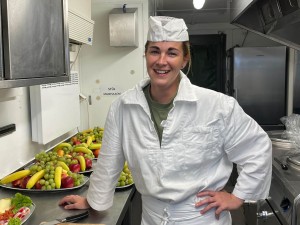
Soldiers need to eat too. And who cooks for them? Fellow soldiers. Hundreds of people, soldiers and non-soldiers, need to be fed at the NATO Days in Ostrava & Czech Air Force Days. Sergeant Helena Mráčková, a senior cook from the 2nd Economic Cooperative of the Logistics Company, 143rd Supply Battalion, took care of the food together with her colleagues. She revealed how the military kitchen works and how cooking for exercises takes place.
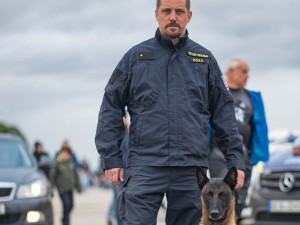
They look for drugs, weapons, cigarettes and tobacco. We are talking about canine colleagues of members of the Customs Administration of the Czech Republic. How long does their training take? What is the easiest to find and what is the reward? And how to get a job as a training cynologist? Where do customs administration dogs come from? These questions were answered by 2Lt. Martin Kobrč, head of the Service Cynology Training Facility of the Customs Administration of the Czech Republic in Heřmanice in Liberecko.
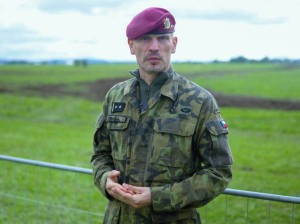
We probably don't need to introduce Colonel Ivo Zelinka at length. It can be said that he is one of the most famous Czech soldiers. At the time of our interview, he was a lieutenant colonel and deputy commander of the 43rd Airborne Regiment in Chrudim. In November 2022, he became an adviser to the Minister of Defense Jana Černochová, which also brought him a promotion to the rank of colonel. Since January 2023, he has been the head of communications of the General Staff and thus one of the main faces of the Army of the Czech Republic.
But what were his beginnings in the army? How is the paratrooper training, what was his most difficult mission and how did he cope with being separated from family? What funny story did he bring back from Afghanistan and what does he say to those who are thinking about a career as a paratrooper? Read on.
.
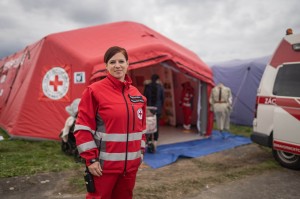
Did you know that the Czech Red Cross also belongs to the secondary components of the Integrated Rescue System (IRS)? And those, in turn, are an inherent part of every big event. At the NATO Days in Ostrava & Czech Air Force Days they oversee the safety and health of visitors, but also present themselves to the general public. The Red Cross Regional Association – Ostrava is no exception, moreover, visitors of the event are also introduced to the principles of first aid. In an interview, its director Alžběta Hrabovská explained the association's activities and her work.
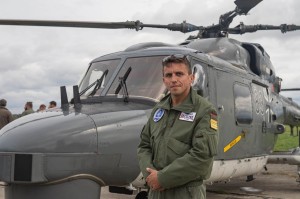
Germany has a strong presence at the NATO Days in Ostrava & Czech Air Force Days every year. Whether it's the Air Force, Army, or Navy, visitors have plenty to look at. Last year, the Sea Lynx helicopter was on a static display among other German aircraft. And we interviewed its pilot and at the same time the flight commander of the German Navy, Commander Tom Schneider.
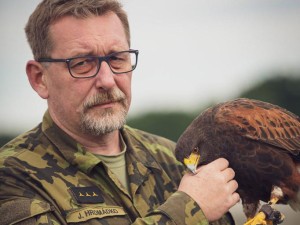
At the NATO Days in Ostrava, you can regularly see K-9 or hippology displays. A service dog or horse is not unusual, but did you know that even birds of prey have their place in the military? First Lieutenant Josef Hromádko from the Military Medical Agency in Hradec Králové, who explained to us the importance of raptors in the army, is a falconer and carries out expert supervision of the biological protection of the airports of the Army of the Czech Republic.
A K-9, an international operation against criminals and a number of confiscated items, including a cigarette production line from Operation Colosseum, you could see all of this at the NATO Days in Ostrava & Czech Air Force Days in September 2022 thanks to the displays of the Customs Administration of the Czech Republic. Col. M.Sc. Aleš Hrubý is the director of the Search Coordination Department of the General Directorate of Customs and he told us a little more about the activities of the customs administration.
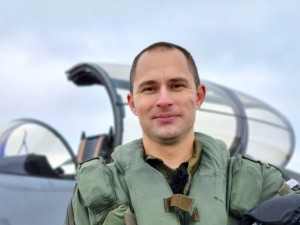
Captain Aleš Svoboda always knew he wanted to become a fighter pilot. He has followed his dream since childhood and is currently fulfilling it at the 21st Tactical Air Force Base as a JAS-39 Gripen pilot. In November 2022, he succeeded in the selection process and became a member of the European Space Agency's reserve team of astronauts, but we did not know this in September.
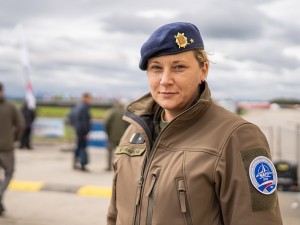
Major Veronika Kolíbalová Krausová serves as a meteorologist at the Land Forces Command. At last year's NATO Days in Ostrava & Czech Air Force Days, we met her every morning and evening, when she told us what kind of weather we can expect in the next few hours, which is essential for planning the program, especially flight displays. And so we interviewed her a bit. Why she chose meteorology or how is she different from the weather girls on TV?
Partners